
Attic Ventilation In Conroe:
9 Simple Upgrades To Beat The Texas Heat
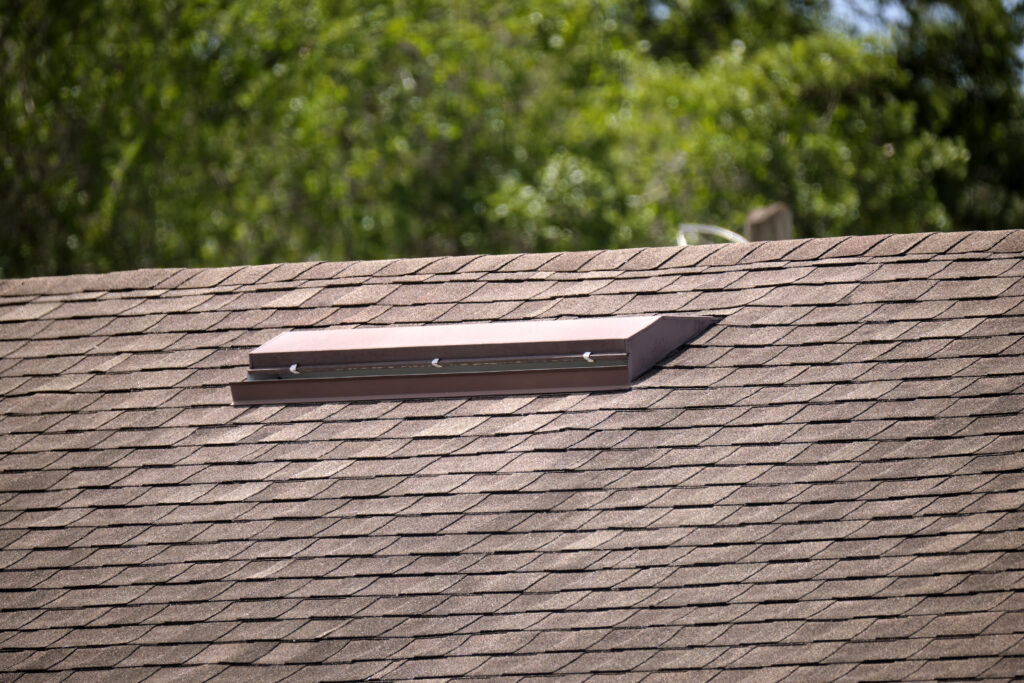
When summer hits Conroe, The Woodlands, and Magnolia, your attic can feel like a furnace. A hot, trapped attic drives up energy bills, cooks shingles, and shortens the life of your roof. The good news is that smart attic ventilation upgrades are some of the simplest, highest‑ROI improvements you can make to your home.
Why Attic Ventilation Matters In Texas
A properly vented attic helps your home and roof in three big ways:
- Reduces heat buildup so your AC does not have to work as hard.
- Lowers stress on shingles, underlayment, and roof decking.
- Helps control moisture that can lead to mold, mildew, and wood rot.
In Texas, codes and best practices generally call for a minimum amount of “net free vent area” based on attic size, with balanced intake and exhaust so air can move in low and out high.
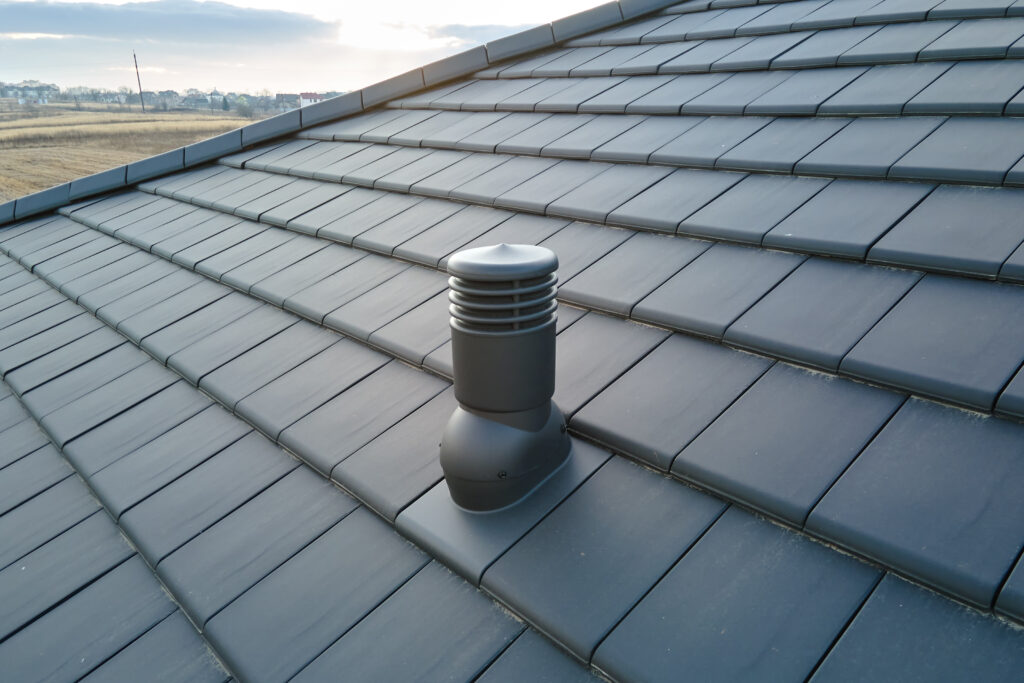
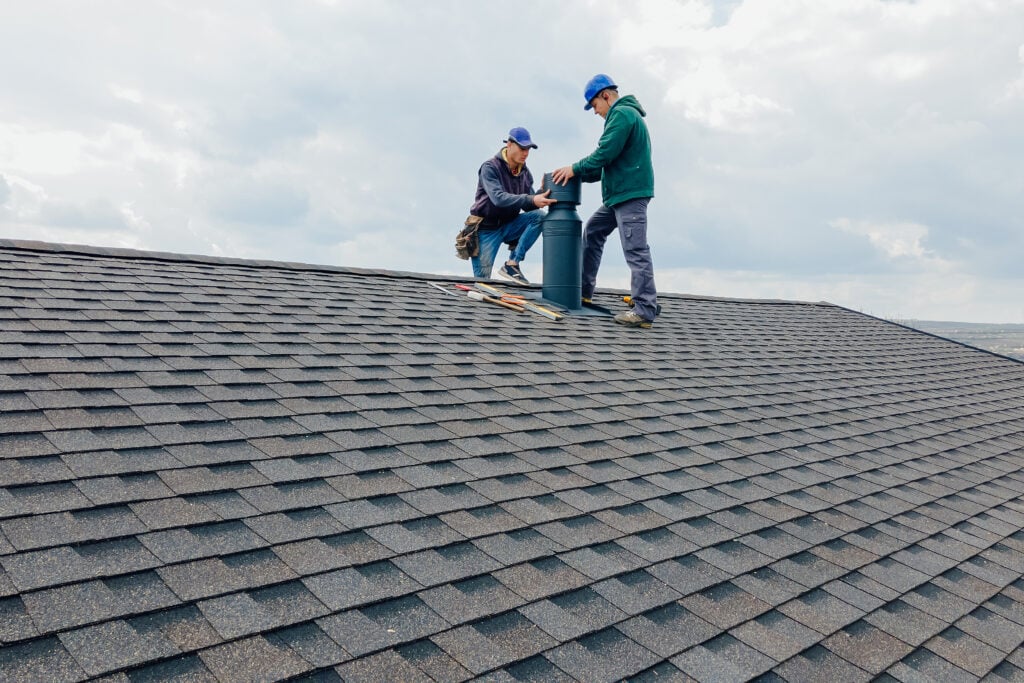
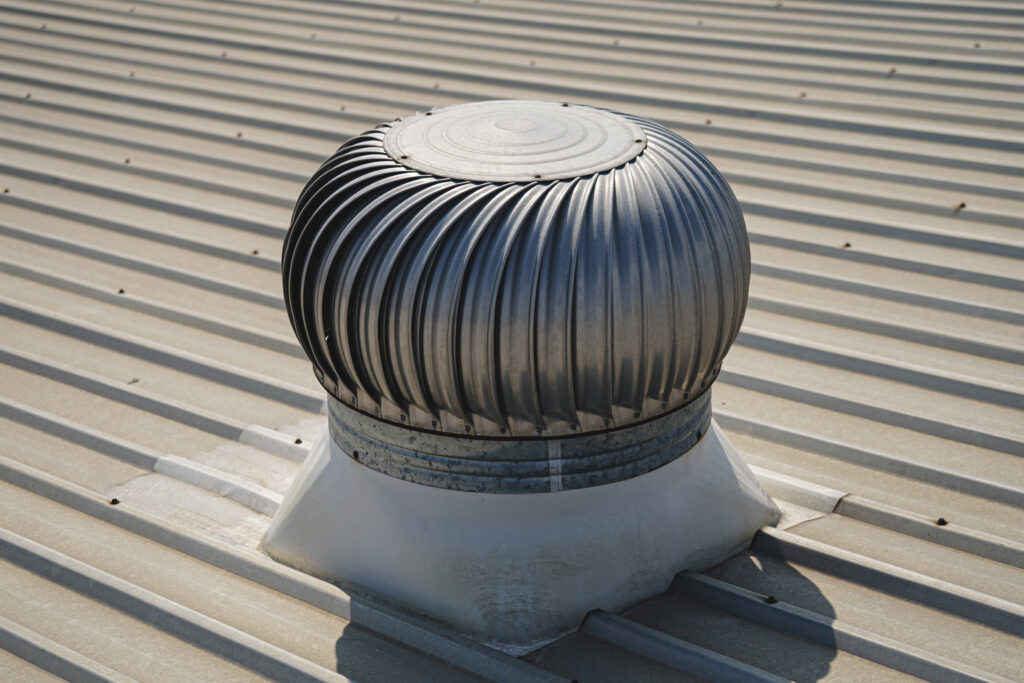

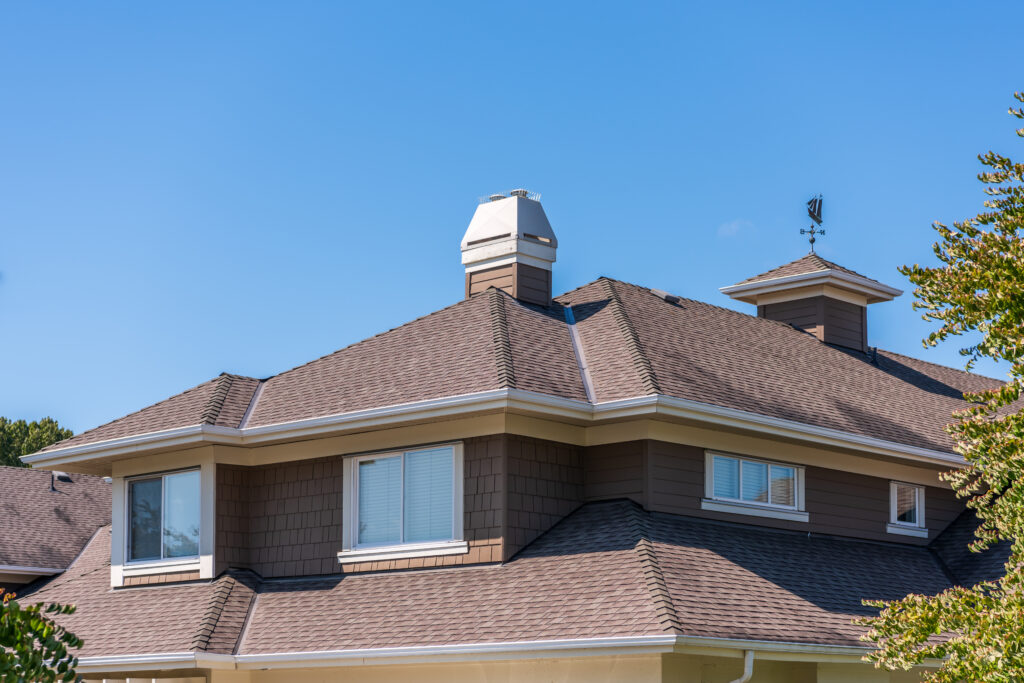
3 Signs Your Attic Ventilation Is Not Keeping Up
Before you budget for a new roof, check for these warning signs:
- Hot second floor or bonus room. Rooms under the roof stay hotter than the rest of the house, even with AC running.
- High summer power bills. Your AC runs constantly on summer afternoons and evenings.
- Wavy shingles or early aging. Shingles look dry, curled, or worn out faster than expected for their age.
In the attic itself, you might notice:
- Strong, trapped heat when you open the hatch.
- Dark stains on decking that suggest past moisture.
- Rust on nails or metal plates inside the attic framing.
The Two Sides Of Roof Ventilation: Intake And Exhaust
- A healthy attic ventilation system is a loop:
- Intake vents bring cooler outside air into the attic, usually at the eaves or soffits.
- Exhaust vents let hot air escape near the ridge or high on gable walls.
If one side is missing or blocked, the system cannot “breathe,” and heat and moisture get stuck at the top of your roof.
Common Intake Vent Types
- Continuous soffit vents along the eaves.
- Individual soffit panels with built‑in vent slots.
- Low roof vents on homes without deep soffits.
Common Exhaust Vent Types
- Continuous ridge vents along the roof peak.
- Box or “static” vents spaced near the ridge.
- Gable vents or powered attic fans in some designs.
9 Simple Ventilation Upgrades For Conroe‑Area Homes
You do not always need a major renovation to improve attic airflow. Here are practical upgrades we use on Montgomery County roofs all the time:
- Clear blocked soffit vents.
- Remove paint buildup, bird nests, or debris that clog intake.
- Pull insulation back and add baffles so it does not choke the vent area.
- Add or extend ridge vent.
- Replace old box vents with a continuous ridge vent where the roof design allows.
- Extend existing ridge vent across additional ridgelines on complex roofs.
- Balance intake and exhaust.
- Make sure you have roughly equal net free area low (intake) and high (exhaust).
- Avoid mixing too many different exhaust types that can work against each other.
- Install additional soffit vents on older homes.
- Many older houses in Conroe and The Woodlands were built with minimal intake.
- Adding soffit vents can dramatically improve airflow without changing the roofline.
- Seal unneeded attic bypasses and leaks.
- Close open chases, gaps, and large holes between the house and attic.
- This keeps conditioned air where you want it while ventilation handles the attic.
- Upgrade bathroom and dryer vents.
- Make sure they vent outside, not into the attic space.
- Replace damaged or disconnected ducts that dump warm, moist air under the roof.
- Add insulation baffles at every intake bay.
- Baffles keep insulation from slumping over soffit vents over time.
- They also help maintain a clear air channel from soffit to ridge.
- Consider smart controls on powered fans (if used).
- If you have powered attic fans, use thermostats and humidistats so they run when needed, not all day.
- Never rely on fans alone if you do not have proper intake.
- Coordinate ventilation with your next roof replacement.
- When you replace shingles, it is the perfect time to resize and rebalance vents.
- Proper ventilation can extend the life of your new roof and protect your warranty.
When To Call Handnail Roofing For A Ventilation Check
If your attic feels like an oven, your AC cannot keep up, or your shingles look older than they should, it is time for a roof and ventilation check. We will:
- Measure existing vent area and compare it to your attic size.
- Inspect soffits, ridge, and any box or gable vents for blockages or poor placement.
- Check for signs of heat and moisture damage in the attic and on the roof deck.
- Recommend practical upgrades that fit your budget and your roof’s design.
Handnail Roofing serves Conroe, Montgomery, The Woodlands, Magnolia, Tomball, Cypress, Spring, and nearby Texas communities. We hand‑nail our roofs and treat attic ventilation as part of the whole system, not an afterthought.