
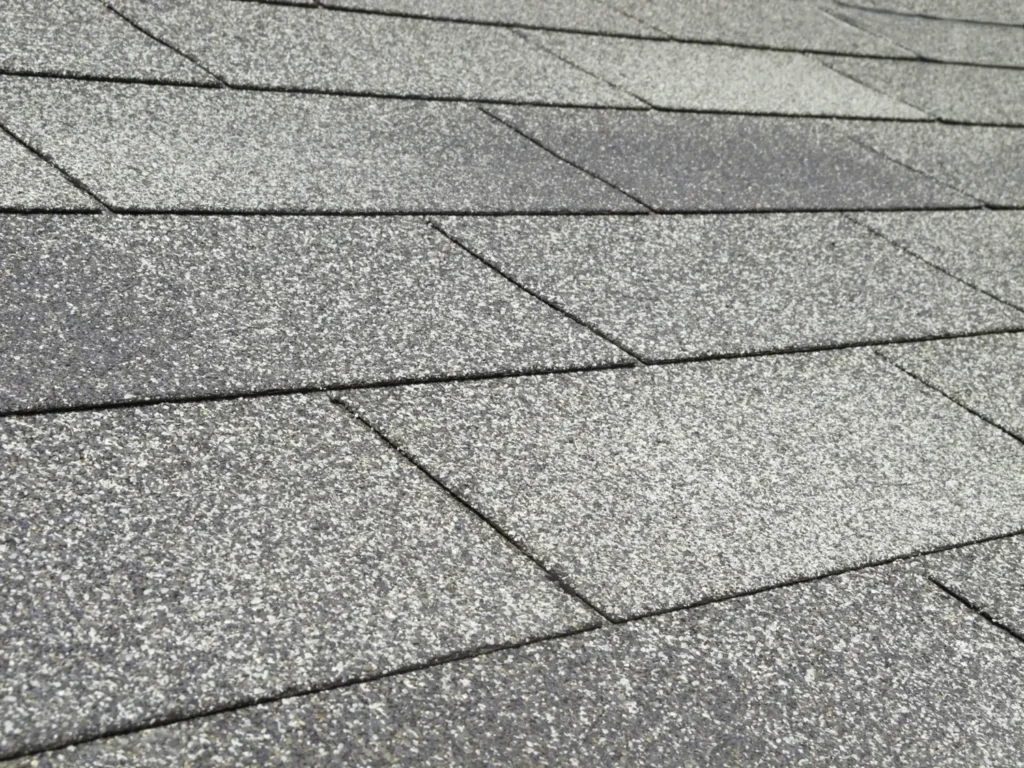
Roofing Warranties In Plain English: What Texas Homeowners Really Need To Know
A roof warranty can be helpful, but it only does its job if you understand what it covers. In Texas, homeowners usually need to think about two things: the material warranty from the manufacturer and the workmanship warranty from the contractor.
The Two Main Types Of Coverage
Manufacturer warranties cover defects in the roofing product itself. Contractor workmanship warranties cover mistakes made during installation. Those are not the same thing, and one does not replace the other.
CertainTeed says its roofing products come with limited warranty coverage, and some of its products can also qualify for extended protection when installed through the right program. Handnail Roofing is a CertainTeed ShingleMaster certified contractor, which matters when you are looking at warranty options.
Certified Roofing Contractor You Can Trust
Andy Hughes, owner of Handnail Roofing, leads a team proud to be a CertainTeed ShingleMaster™ since 2025, recognized by CertainTeed, the roofing industry’s trusted name. Serving Montgomery County and communities including Spring, Conroe, Klein, Tomball, Magnolia, and The Woodlands, Handnail Roofing combines top-tier materials with local expertise.
Our CertainTeed ShingleMaster™ credential means we meet high standards for craftsmanship, safety, and professionalism, ensuring your roof is installed or repaired the right way, every time. Backed by trusted manufacturer warranties and compliance with Texas building codes, our work protects your home against harsh Texas weather for lasting peace of mind.
What Manufacturer Warranties Usually Do
A manufacturer warranty is about the shingles or other roofing materials. It can cover defects in the product, but it usually does not cover storm damage, normal wear, or problems caused by poor installation.
That means a roof can still have a warranty and still need repair if hail, wind, or a bad install caused the issue. Homeowners often assume “warranty” means “everything is covered,” and that is usually not true.
What Workmanship Warranties Usually Do
A workmanship warranty covers the installation itself. If the roof leaks because a contractor made an error, the workmanship warranty is the part that may apply.
This is where local experience matters. A roof installed with care is less likely to have the kind of problems that turn into repeated leaks, flashing failures, or early repairs.
Why This Matters In Texas
Texas weather puts a lot of pressure on a roof. Heat, wind, hail, and heavy rain can all expose weak spots quickly.
That is why warranty language matters so much in Montgomery, Conroe, The Woodlands, Magnolia, Tomball, Cypress, and Spring. A homeowner should know what the product covers, what the installer covers, and what storm damage falls outside both of those.
What To Watch For Before You Buy
Before you approve a roof replacement, ask:
- What manufacturer warranty comes with the materials
- What workmanship warranty comes with the installation
- Whether the warranty can transfer to a new homeowner
- What conditions could void coverage
- Whether certification with the manufacturer changes the warranty options
Those questions can save a lot of confusion later.
Why Local Roofing Knowledge Helps
A roofer who works in this area understands how Texas weather affects roofing systems and what details matter during installation. That includes ventilation, flashing, fastening, and proper material selection.
Handnail Roofing serves local homeowners with roofing repairs, replacements, and inspections, and uses materials and methods intended to stand up to Texas conditions.
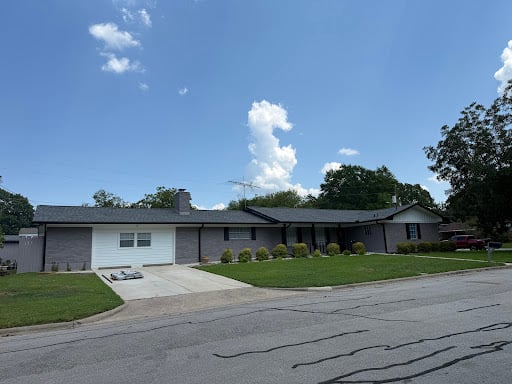
Trusted Local Roofing Company





















Simple Rule Of Thumb
If a problem comes from the product, the manufacturer warranty may matter. If it comes from installation, the workmanship warranty may matter. If it comes from hail, wind, or another storm, that usually falls under insurance instead of warranty.
A clear inspection is the easiest way to know where the problem starts and what coverage may apply.