
Roofing Materials For Texas Homes: Shingles, Metal, Or Tile?
Texas homeowners have several roofing materials to consider. The right choice depends on the home, roof design, existing roof condition, budget, product requirements, and local code.
For homeowners in Montgomery County, Conroe, Magnolia, The Woodlands, and nearby communities, the visible roof covering is only part of the decision. The deck, underlayment, flashing, ventilation, fasteners, and installation method all matter.
At Handnail Roofing, we start with the roof itself. We inspect the property, discuss the available options, and explain what the written scope includes.
Start With The Complete Roof System
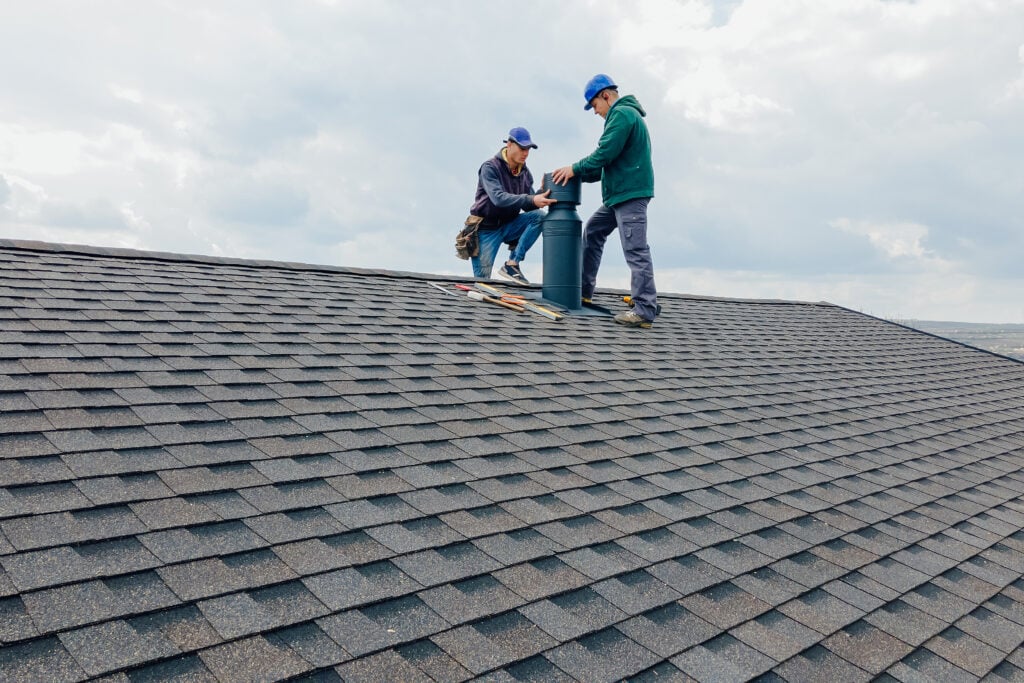
A roof is more than shingles, metal panels, or tile. It is a system made up of several components that work together.
Depending on the roof design and selected product, the system may include:
- Roof decking.
- Underlayment.
- Drip edge.
- Flashing.
- Fasteners.
- Starter materials.
- Field roofing material.
- Hip-and-ridge materials.
- Intake and exhaust ventilation.
Atlas Pinnacle® Pristine installation instructions require a suitable roof deck that is clean, flat, bare, and gap-free within the stated limits. The instructions also specify approved deck materials and identify deck conditions where the shingles should not be installed. [Atlas Pinnacle® Pristine Installation Instructions, Sections 2 and 3]
The Texas Minimum Construction Standards call for detailed inspections, qualified workmanship, written scopes, manufacturer installation instructions, applicable permits, and compliance with state and local requirements. [Texas Minimum Construction Standards, Sections 1.3, 1.4, 1.11, and 1.13]
For more detail, read our future guide: What Makes A Complete Asphalt Roofing System?
Asphalt Shingles, Metal, Or Tile?
Each roof covering needs to be evaluated using its exact product documentation. General labels are not enough.
| Roofing Material | What To Confirm |
|---|---|
| Asphalt shingles | Product name, slope requirements, underlayment, flashing, fastening, starter materials, hip-and-ridge materials, and warranty terms |
| Metal roofing | Metal type, coating, panel design, fastening system, underlayment, flashing, and manufacturer instructions |
| Tile roofing | Tile product, roof structure, fastening or attachment method, flashing, underlayment, and repair requirements |
The approved materials provided for this project contain detailed asphalt-shingle installation information. They do not establish universal lifespan, energy savings, insurance results, or performance claims for every metal or tile product.
That means the safest comparison is product-specific. Ask for the exact manufacturer instructions, installation requirements, warranty terms, and local-code requirements before choosing.
Read next: Architectural Shingles Versus 3-Tab Shingles
What The Atlas Instructions Cover
Atlas Pinnacle® Pristine instructions address several parts of an asphalt shingle installation.
For standard-slope applications, the instructions identify a range from 4:12 to 21:12. They provide separate requirements for low-slope applications from 2:12 to less than 4:12. The required underlayment and application method can change with the roof slope. [Atlas Pinnacle® Pristine Installation Instructions, Section 4]
The instructions also address:
- Roof-deck preparation.
- Ventilation beneath the roof deck.
- Approved underlayment.
- Waterproofing underlayment in critical areas.
- Drip-edge placement.
- Flashing before shingle installation.
- Nail type, length, placement, and penetration.
- Starter-course materials.
- Hip-and-ridge materials.
- Valley installation.
Nail placement is especially important. Atlas states that incorrect placement can affect wind resistance and void wind warranty coverage. For a new roofing application, the instructions require four nails per shingle, with specific placement and minimum nail-length requirements. [Atlas Pinnacle® Pristine Installation Instructions, Sections 8 and 9]
Ventilation And Moisture
Ventilation is part of the roof system, not an afterthought.
Atlas states that adequate ventilation beneath the roof deck helps prevent harmful winter condensation and summer heat buildup. The instructions identify possible effects of inadequate ventilation, including accelerated shingle weathering, deck rot, attic fungus, shingle distortion, cracking, and surface blisters. [Atlas Pinnacle® Pristine Installation Instructions, Section 2]
Atlas recommends a combination of ridge and eave ventilation where practical. The roof structure should have complete airflow from the eave area toward the ridge where the design requires it. [Atlas Pinnacle® Pristine Installation Instructions, Section 2]
A roof inspection should consider the existing attic and roof configuration. We should not promise that a new roof alone will solve every attic temperature, insulation, moisture, or energy concern.
Read next: Roof Ventilation And Attic Moisture
Ask About The Written Scope
Before signing a roofing agreement, ask what is included in writing.
A clear scope should identify:
- The exact roofing product.
- The roof areas included.
- The installation method.
- Deck inspection and replacement procedures.
- Underlayment.
- Flashing.
- Drip edge.
- Starter and hip-and-ridge materials.
- Ventilation work.
- Cleanup.
- Warranty documents.
- Exclusions and change orders.
The Texas Minimum Construction Standards state that work specifications should identify what will be installed, repaired, or replaced, how the work will be completed, where it will occur, and the quantities involved. [Texas Minimum Construction Standards, Section 1.11]
The same document states that products and materials should be installed according to manufacturer instructions and applicable industry standards. It also assigns responsibility for applicable permitting requirements. [Texas Minimum Construction Standards, Section 1.13]
For a homeowner-focused checklist, see: Roof Replacement Estimate Checklist
Choosing A Roofing Material
There is no single roofing material that fits every home.
The right starting point is a roof inspection and a written comparison of the complete assemblies. The decision should account for the roof design, existing deck, slope, ventilation, flashing, product instructions, local requirements, budget, and warranty terms.
If an asphalt shingle system is being considered, ask which exact product is proposed and whether the installation will follow that product’s current instructions. Atlas Pinnacle® Pristine instructions include requirements for deck preparation, underlayment, flashing, ventilation, slope, fastening, starter materials, and hip-and-ridge materials. [Atlas Pinnacle® Pristine Installation Instructions]
Handnail Roofing serves homeowners in Montgomery, Conroe, The Woodlands, Magnolia, Tomball, Cypress, and Spring, Texas. Call Andy at 281-819-6054 or email andy@handnailroofing.com to discuss your roof and schedule an inspection.
Local Code And Safety Notice
Roofing materials and installation methods must comply with the applicable local requirements and the selected manufacturer’s current instructions. When requirements differ, the stricter applicable requirement should control, subject to review by the local authority and the product manufacturer. [Atlas Pinnacle® Pristine Installation Instructions; Texas Minimum Construction Standards, Section 1.2]
Roof work can involve fall, heat, electrical, and structural hazards. Homeowners should avoid walking on steep, damaged, or wet roofs and should use qualified professionals for inspection and installation.
This article is educational. It does not replace an on-site inspection, product warranty review, insurance determination, engineering evaluation, or local permit advice.