
What Makes A Complete Asphalt Roofing System?
A new asphalt roof is more than the shingles visible from the street. The roof deck, underlayment, flashing, drip edge, fasteners, ventilation, starter materials, field shingles, and hip-and-ridge components all need to work together.
For homeowners in Montgomery County, Conroe, Magnolia, The Woodlands, and nearby communities, this matters when comparing roof replacement estimates. A quote that names only the shingle color may leave out important parts of the roofing system.
At Handnail Roofing, we look at the complete roof assembly before recommending a scope of work.
Learn more at: Roofing Materials For Texas Homes
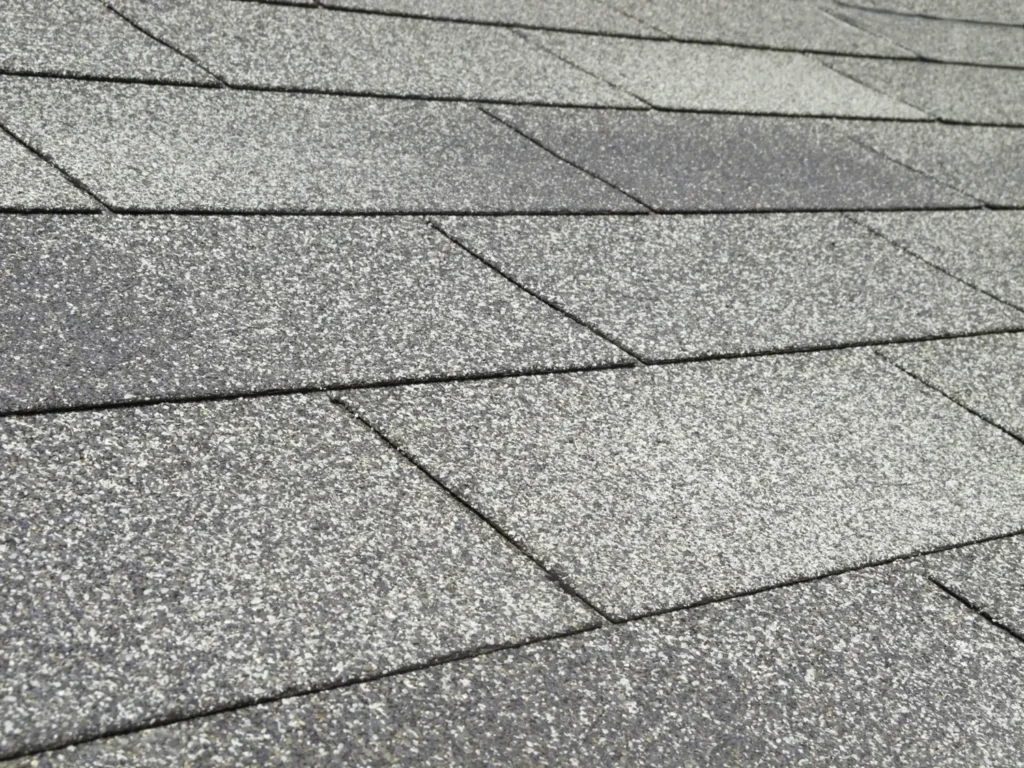
The Roof Deck Comes First
The roof deck provides the base for the roofing system. Before new shingles are installed, the deck should be inspected for conditions that could affect the installation.
Atlas Pinnacle® Pristine instructions identify approved wood-based deck types and require the surface to be clean, flat, bare, and gap-free within the stated limits. The instructions also state that the shingles should not be applied to unapproved deck surfaces or certain non-vented insulated deck conditions. [Atlas Pinnacle® Pristine Installation Instructions, Section 3]
Owens Corning installation instructions similarly require a properly built and supported wood roof deck with adequate nail-holding capacity and a smooth surface. The deck material must also follow the deck manufacturer’s instructions and should be protected from becoming wet before, during, and after installation. [Owens Corning Technical Guide and Bulletins, Duration® Series Installation Instructions]
That is why deck replacement should not be treated as an unexpected surprise. The estimate should explain how the deck will be inspected and how damaged or unsuitable areas will be handled.
Read next: Roof Replacement Estimate Checklist
Underlayment Protects The Assembly
Underlayment is installed over the roof deck beneath the shingles. It is one of the layers that helps protect the roof assembly during installation and service.
Atlas requires approved underlayment across the deck for its stated standard-slope asphalt shingle applications. It also identifies different requirements for low-slope roofs from 2:12 to less than 4:12. The underlayment must be installed flat and without wrinkles. [Atlas Pinnacle® Pristine Installation Instructions, Section 4]
Owens Corning identifies synthetic underlayment or an equivalent product meeting specified standards for standard slopes. It also provides separate low-slope instructions and calls for self-adhered ice and water barrier in locations where the roof has a history of ice and water backup. [Owens Corning Technical Guide and Bulletins, Duration® Series Installation Instructions]
The exact underlayment depends on the roof slope, product, roof design, local code, and manufacturer requirements. It should be listed clearly in the written scope.
Drip Edge Helps Direct Water
Drip edge is a metal component installed along roof edges. Its placement and shingle overhang should follow the applicable product instructions and local requirements.
Owens Corning recommends drip edge for roofs covered with asphalt shingles. Its bulletin places drip edge over the underlayment at rakes and below the underlayment at eaves, subject to local building-code requirements. It also specifies fastening and shingle-overhang details for the products addressed in that bulletin. [Owens Corning Technical Guide and Bulletins, Drip Edge Installation Bulletin]
Atlas also addresses corrosion-resistant drip-edge placement at the rake and eaves in its Pinnacle® Pristine instructions. [Atlas Pinnacle® Pristine Installation Instructions, Section 4]
A roofing estimate should identify whether drip edge is included, where it will be installed, and what material will be used.
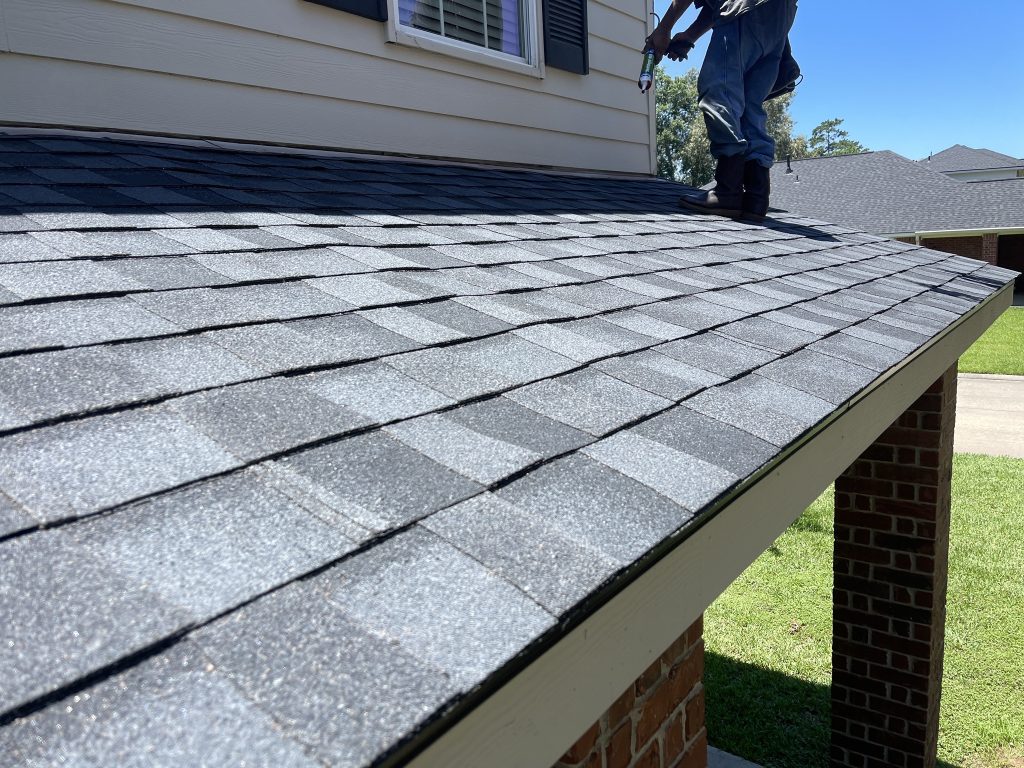
Flashing Protects Transitions
Water problems often develop where roofing meets another surface. These areas can include:
- Walls.
- Chimneys.
- Skylights.
- Plumbing vents.
- Roof penetrations.
- Valleys.
- Changes in roof direction.
Atlas states that flashing should be in place before shingles are installed. Its instructions address cap and base flashing at vertical surfaces such as chimneys, skylights, vents, and walls. [Atlas Pinnacle® Pristine Installation Instructions, Section 5](Atlas Pinnacle® Pristine Installation Instructions)
Owens Corning also provides product-specific guidance for step flashing where roof planes meet vertical sidewalls or chimneys. That guidance calls for corrosion-resistant metal and instructs installers to check local building codes. [Owens Corning Technical Guide and Bulletins, Step Flashing](Owens Corning Technical Guide and Bulletins.pdf)
Valleys require their own installation details. Atlas states that valleys must be installed before Pinnacle® Pristine shingles are applied. The instructions describe different procedures for open and closed-cut valleys, including valley underlayment, flashing, fastening, trimming, and cement requirements. [Atlas Pinnacle® Pristine Installation Instructions, Section 7](Atlas Pinnacle® Pristine Installation Instructions)
Read next: Roof Repair In Montgomery County
Fasteners Must Be Correct
Nails are not a minor detail. Their type, length, placement, and penetration affect the installation.
Atlas requires corrosion-resistant roofing nails with the stated shank, head, and penetration requirements. For a new Pinnacle® Pristine roof application, the instructions require four nails per shingle and specify where those nails should be placed. Atlas also warns that incorrect nail placement can affect wind resistance and warranty coverage. [Atlas Pinnacle® Pristine Installation Instructions, Section 8]
Owens Corning requires specified corrosion-resistant nails and states that fasteners must penetrate the wood deck by the required amount or pass through the deck as specified. Its instructions also identify a required fastening area for the shingle product addressed. [Owens Corning Technical Guide and Bulletins, Duration® Series Installation Instructions]
The correct fastening pattern depends on the shingle product, roof slope, and design. With years of experience serving Montgomery County and the surrounding area, Handnail Roofing takes the time to understand your roof’s specific needs and follows the applicable manufacturer instructions for precise, secure installation.
Starter And Hip-And-Ridge Materials
A complete asphalt shingle roof includes more than the field shingles covering the main roof planes.
The starter course is installed along the lower roof edges. Hip-and-ridge materials cover the roof’s hips and ridge lines. Both need to be compatible with the selected shingle system and installed according to the product instructions.
Atlas identifies approved starter-course options and provides specific hip-and-ridge requirements for Pinnacle® Pristine applications. [Atlas Pinnacle® Pristine Installation Instructions, Sections 9 and 11]
Owens Corning instructs installers to use a corresponding hip-and-ridge product and follow the application directions printed on that product’s package. [Owens Corning Technical Guide and Bulletins, Hip and Ridge Application]
These materials should appear in the estimate instead of being left as vague “accessories.”
Ventilation Is Part Of The System
Ventilation helps manage moisture and heat beneath the roof deck. It must be evaluated with the roof design, attic configuration, and applicable code.
Atlas states that inadequate ventilation can contribute to harmful condensation in winter and heat buildup in summer. The instructions identify possible effects including accelerated shingle weathering, deck rot, attic fungus, shingle distortion, cracking, and surface blisters. Atlas recommends a combination of ridge and eave ventilation where practical. [Atlas Pinnacle® Pristine Installation Instructions, Section 2](Atlas Pinnacle® Pristine Installation Instructions)
The GAF Pro Field Guide also treats ventilation, attic moisture, heat, and ventilation solutions as part of complete steep-slope roofing-system work. It instructs installers to follow the latest product information and local building codes. [GAF Pro Field Guide, Sections 2 and 3]
Read next: Roof Ventilation And Attic Moisture
What Should Be In The Estimate?
Before approving a roof replacement, ask for a written scope that identifies:
- Exact manufacturer and product.
- Roof deck inspection and replacement process.
- Underlayment.
- Drip edge.
- Flashing.
- Valley treatment.
- Starter materials.
- Field shingles.
- Hip-and-ridge materials.
- Ventilation work.
- Cleanup.
- Warranty documents and limitations.
- Permit responsibilities.
- Exclusions and change-order procedures.
The Texas Minimum Construction Standards emphasize written scopes, material descriptions, workmanship, manufacturer instructions, applicable permits, and local requirements. [Texas Minimum Construction Standards, Sections 1.3, 1.11, 1.12, and 1.13]
At Handnail Roofing, we believe homeowners deserve to know what is being installed and why. If you are comparing roofing estimates in Montgomery, Conroe, Magnolia, or The Woodlands, call Andy at 281-819-6054 or email andy@handnailroofing.com to schedule an inspection.
Local Code And Safety Notice
Roofing materials and installation methods must comply with applicable local requirements and the selected manufacturer’s current instructions. When requirements differ, the stricter applicable requirement should control, subject to review by the local authority and manufacturer. [Atlas Pinnacle® Pristine Installation Instructions]
Roof work can involve fall, heat, electrical, and structural hazards. Homeowners should not walk on steep, damaged, or wet roofs. Use qualified professionals for inspection and installation.
This article is educational. It does not replace an on-site inspection, product warranty review, insurance determination, engineering evaluation, or local permit advice.