
Cold, wet weather seems harmless. Many Conroe homeowners think leaks only happen after hail or strong wind. Yet slow and steady rain, plus chilly days, can stress your roof in quiet ways. According to the GAF Residential Roofing Manual, moisture combined with temperature swings can weaken shingles and underlayment over time. This creates small gaps that grow into larger problems once storms return. Several roofing experts note the same pattern across Texas homes. A long dry season hides damage. Then steady rain exposes it. Your roof works nonstop, and even normal weather can push it past its limit.
Jump to FAQ.

Done Searching for Roofing Contractors in Montgomery County, TX?
If you’re looking for dependable, long-lasting roofing in Montgomery County, Handnail Roofing is here for you. Whether you need a quick repair or a full roof replacement, we’ll guide you with honest advice, quality materials, and old-school craftsmanship. Just give us a call or request a free estimate online. Andy will personally inspect your roof, explain everything clearly, and make sure the job gets done right—without the stress or shortcuts.
Common Causes of Roof Leaks After Rain in Conroe
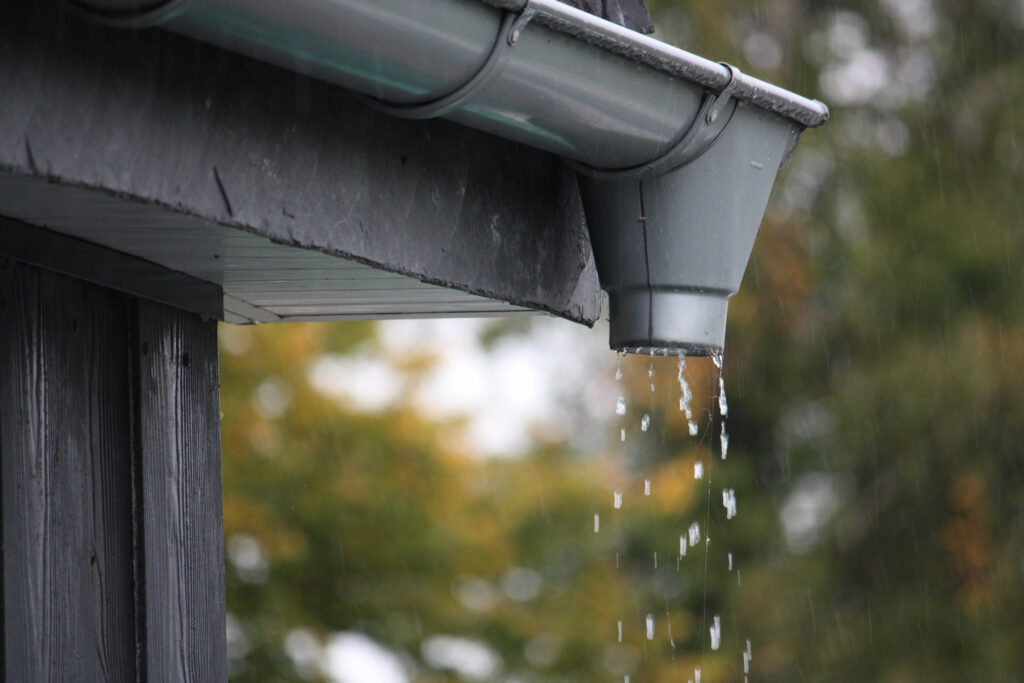
Long rain cycles saturate shingles. They hold water longer and shed it slower. When the decking stays wet, it can swell. This swelling opens small spaces near nails and seams. GAF guides explain that even tiny openings let water travel under shingles. Over days of rain, the underlayment can soak through. Conroe homes with older roofs feel this first because materials lose strength with age. Cold days worsen the issue. Shingles stiffen and cannot lay flat after expanding in the warm sun. This small lift lets wind and rain slip under them.
Rain also exposes any missing granules. Granules protect the asphalt surface from UV and water. Once those areas thin out, water pools faster. Roofing blogs that track performance in humid regions show that granule loss plus low winter sun leads to quick softening of shingles. Soft shingles absorb more water and leak sooner. Flashing is another weak spot. It seals edges and roof joints. When metal cools, it contracts. If the roof warms fast afterward, the sealant around flashing can crack.
How Cold Weather Makes Roof Leaks Worse
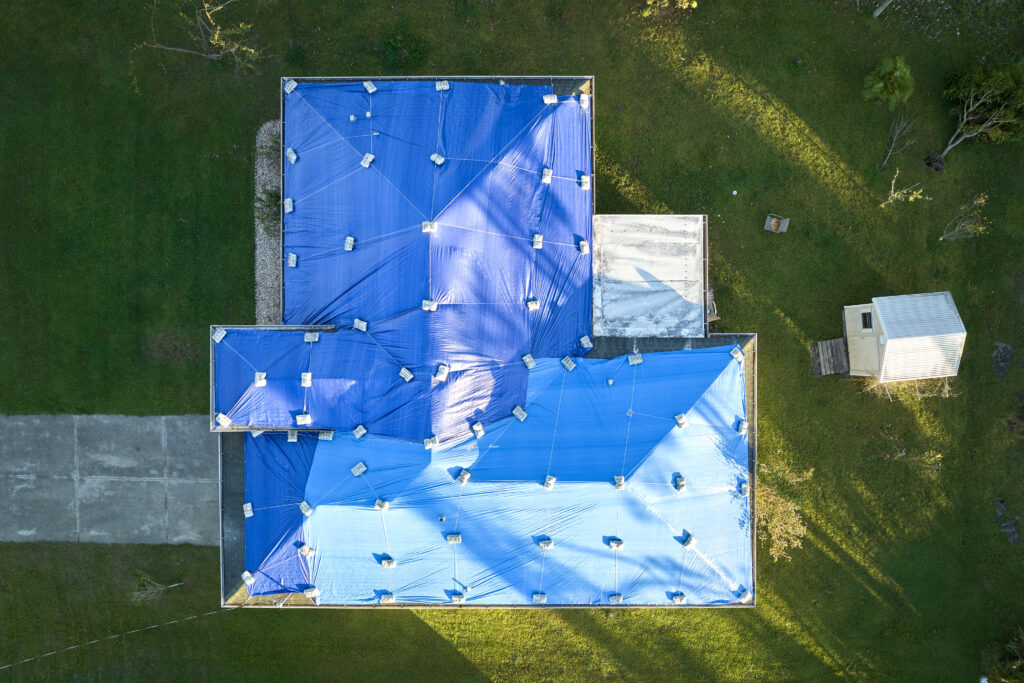
Cold weather affects roofs in ways many people never notice. GAF technical notes highlight how the freeze and thaw cycle creates stress. Even in Conroe, overnight lows can drop far enough to stiffen the roofing layers. Then warm sunlight hits, and materials expand again. This back-and-forth movement weakens old adhesive and loosens tabs. Once loose, shingles flap during even mild wind. Water then works into the nail holes below them.
Cold weather also slows evaporation. When roofs stay wet longer, leaks show up inside the attic faster. Moisture follows the easiest path. It might drip only on certain days, so people think the issue is small. Yet moisture spreads sideways along rafters and decking. Long-term wet wood grows soft spots. According to field studies shared in roofing training blogs, wet decking loses strength fast when not allowed to dry. This can lead to dips that collect even more water.
In Texas climates, mold can grow even in winter. It forms in the attic when warm indoor air meets a cold, wet roof surface. Once mold grows, it signals deeper water entry. Many homeowners miss these early signs because leaks do not always show up as ceiling stains right away. For more information on roof prevention and maintenance read the GAF Roofer Manual.
We also offer hail and wind damage services, visit our Conroe Hail and Wind Damage roofing page for more information.
Signs Your Roof Has Rain Damage (Even Without a Storm)
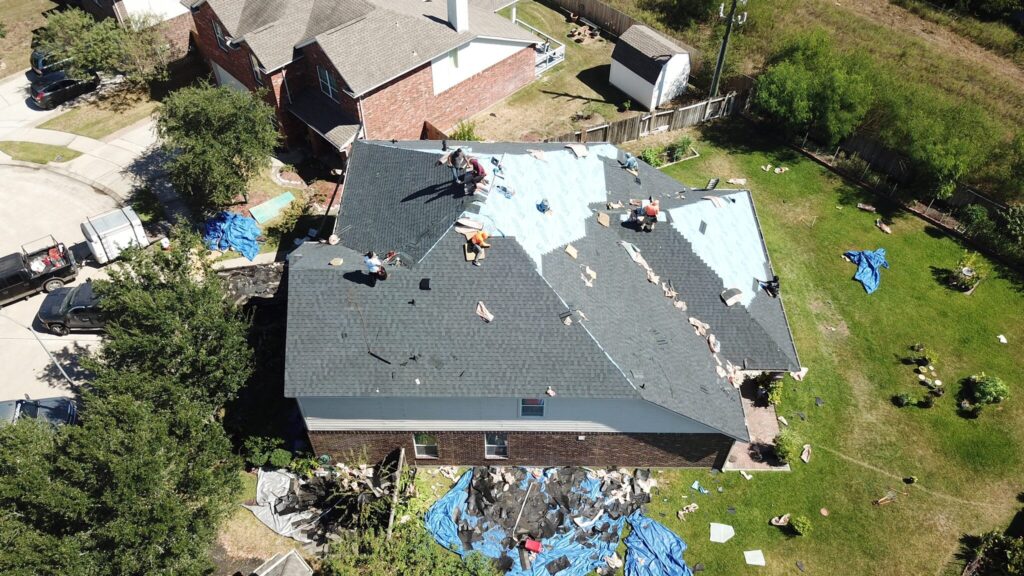
A leak after rain does not mean a storm hit your home. Many leaks happen without strong wind or hail but still cause storm damage to your roof. Watch for darker lines across the ceiling. Those lines show slow moisture travel rather than a sudden gush. Look for damp insulation in the attic. Insulation often reveals water before drywall does. Check for small piles of roof granules in the gutters. When granules fall off, the bare asphalt underneath absorbs water faster.
Another sign is a musty smell after rain. That smell comes from moisture trapped in decking or attic air. A warm day after rain can make the smell stronger. Roofing specialists often find that smell before finding the visible leak point. You may also see raised shingles. Even one lifted shingle can push water into the layers below it.
Many Conroe homes also have metal roof vents. When cold rain hits warm metal, condensation forms inside the vent. Without proper sealing, this moisture runs into the attic and looks like a roof leak. Roofers must inspect both vents and shingles to confirm the source.
After any storm it is crucial to beware of roofing scams, read more on how to spot a roofing scam.
When to Schedule a Conroe Roofing Inspection
Timing matters for roof health. The best moment to schedule an inspection is right after a long stretch of rain. Roofing blogs focused on homeowner care say wet weather reveals problems that stay hidden during dry spells. Once the roof dries, many of those signs vanish. You want a roofer to see the symptoms while they are still fresh.
Schedule an inspection if you hear dripping in the attic, even if it stops. Book one if you notice stains appearing only after several days of rain. Plan one if shingles seem curled or brittle on a cold morning. GAF notes that curled shingles fail earlier during temperature shifts. An inspection also helps before spring storm season. Weak shingles do not survive the first gusts that arrive each April. A small repair now keeps a minor leak from turning into major water damage later.
FAQ
Roof leaks in Conroe often appear after storms because asphalt shingles expand and contract in our humid Guld climate.
Frequent humidity and sudden downpours cause asphalt granules to loosen faster. When moisture gets under the surface, it accelerates roof aging.
Yes. Even minor leaks can lead to attic mold, wet insulation, and wood rot within weeks, especially in Conroe’s humid climate.
Light repairs can be done between storms, but full replacements require 2 -3 day dry window. Handnail Roofing Company schedules leak sealing immediately to prevent interior water damage before roof repair.
Conroe’s humidity weakens DIY sealants. Professional-grade membranes and proper flashing installation ensure a watertight fix that lasts.
Our Conroe roof inspections identify whether wind lifted shingles or water penetrated through nail holes. We document these findings for insurance claims.
Yes. We offer 24/7 leak response, emergency tarping, and full storm roof repairs.
Minor repairs start around $250-$500. Major leaks or structural damage vary based on slope, size and material condition. As local roofers in Conroe we prioritize transparent pricing.